Secure Your Digital Lifestyle

The definitive resource for understanding external storage. Explore in-depth technical analysis, form factor comparisons, and performance data to protect your most valuable files.

Explore Guides

Essential Storage Guides

Abstract visualization of a computer circuit board
Fundamentals

HDD vs. SSD: Making the Right Choice

Understand the mechanical platters versus NAND flash memory debate, and find out which architecture suits your data archiving needs.

Read Guide
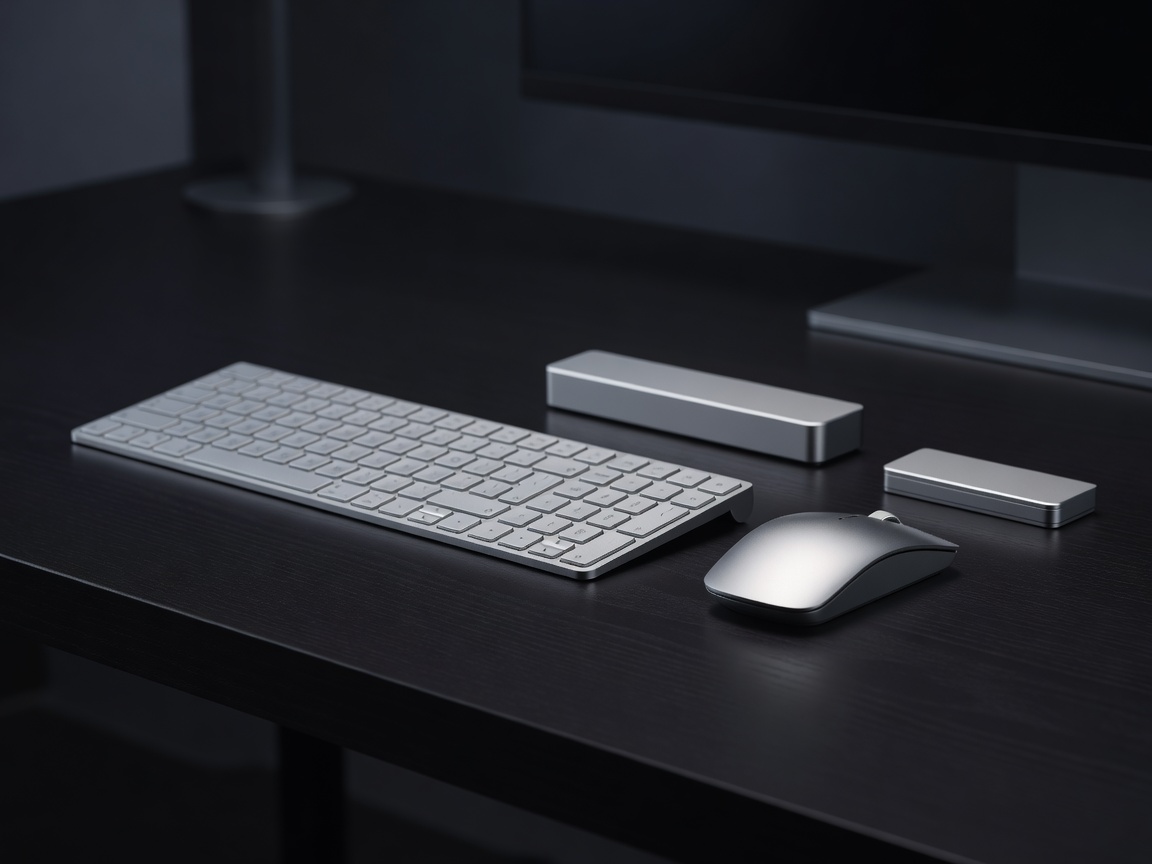
Sleek aluminum computer peripherals on a dark desk
Ecosystems

Best Drives for macOS Environments

Navigate APFS formatting, Time Machine compatibility, and the nuances of Thunderbolt versus USB-C connectivity for Apple silicon.

Read Guide
Neon lit gaming console setup in a dark room
Performance

Expanding Your Gaming Library

Cold storage for current-generation consoles and active-play external NVMe enclosures for expansive PC gaming libraries.

Read Guide
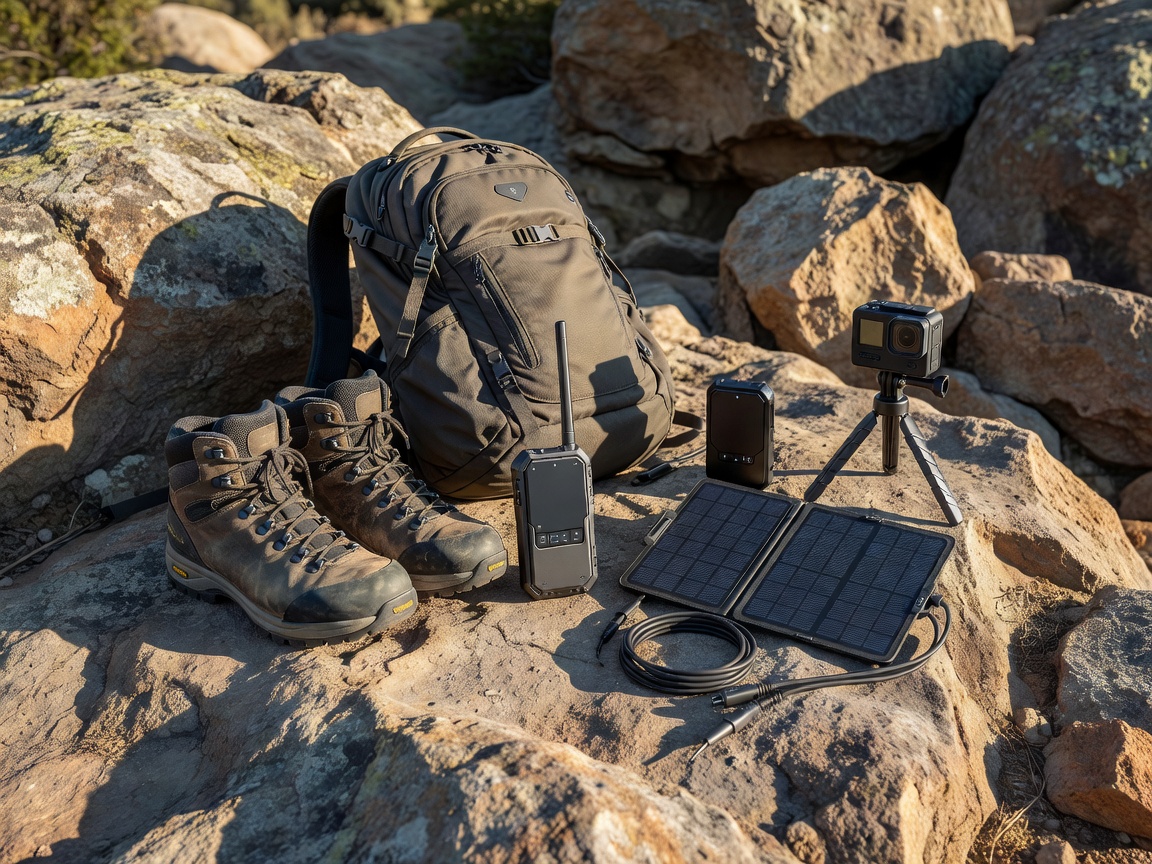
Outdoor gear and technology on a rocky surface
Durability

Rugged Drives for Field Work & Travel

Decode IP ratings, drop resistance metrics, and why solid-state storage rules the landscape for photographers and remote workers.

Read Guide
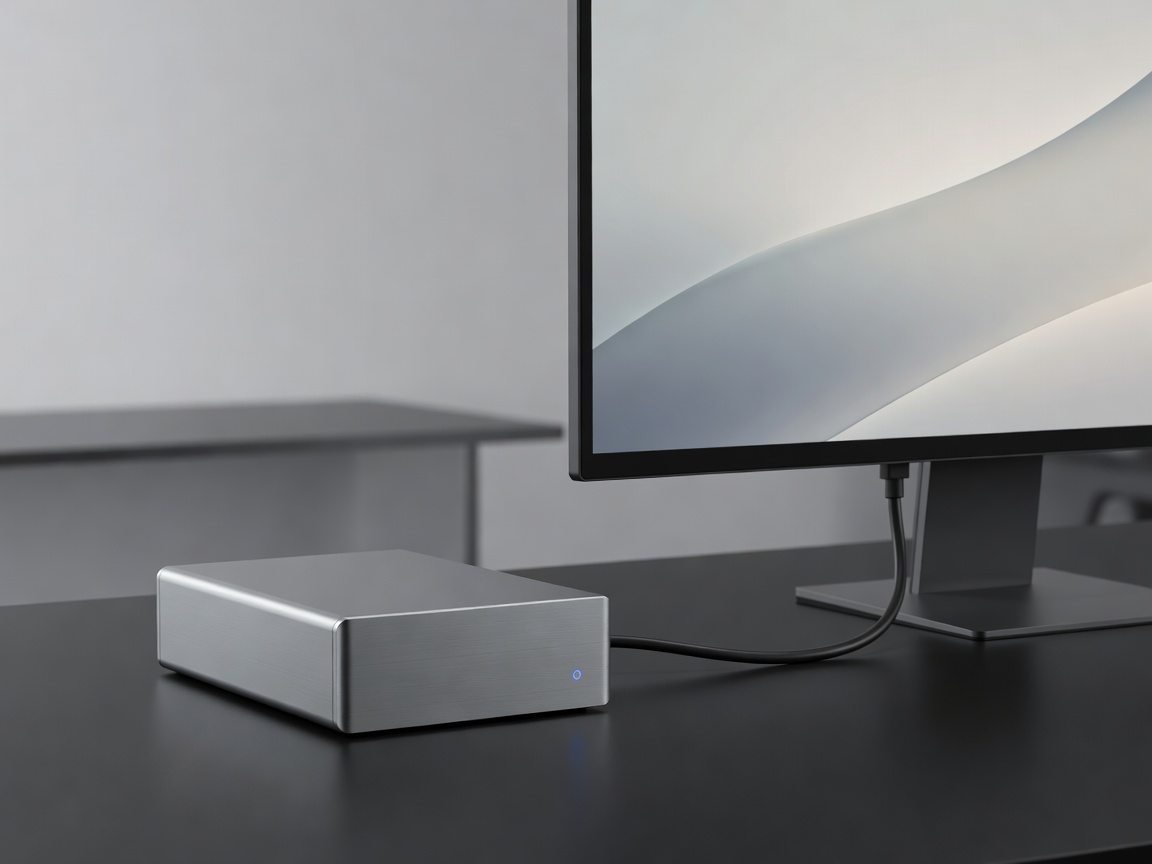
Large desktop hard drive enclosure next to a monitor
Form Factor

Desktop Enclosures vs. Portable Units

Analyzing the trade-offs between powered 3.5-inch multi-drive arrays and bus-powered 2.5-inch portable companions.

Read Guide

Why External Storage Matters More Than Ever

As media files increase in fidelity, from 4K and 8K video rendering to lossless audio masters and massive modern software installations, internal drive capacities are frequently outpaced. The external storage market has responded by bifurcating into two distinct branches: ultra-fast, portable NVMe solutions acting as direct extensions of internal memory, and high-capacity spinning disks serving as vital off-site or localized backup nodes.

Understanding interface bottlenecks (such as USB 3.2 Gen 1 versus Thunderbolt 4), flash memory endurance (TBW), and file system compatibility ensures your data remains both accessible and redundant against hardware failure.